
How to Offer Seasonal Discounts in Shopify That Boosts Holiday Sales

Quick Answer:
If you want to offer seasonal discounts in Shopify, go to Discounts in your Shopify admin and create a discount code or automatic discount. Then, set the discount value, choose eligible products or collections, and schedule start and end dates. Also, you can use bulk discount Shopify apps like Revnous Bulk Price Editor to automate your seasonal promotions like Black Friday or holiday sales.
Introduction
Many businesses run seasonal discounts every year, but not every sale delivers strong results. Some stores cut prices too deeply and lose profit. Others launch promotions too late and miss peak demand. A discount alone does not guarantee success.
The most effective seasonal discounts are planned around clear goals, the right products, and proper timing. When executed correctly, seasonal promotions can increase revenue, clear inventory, attract new customers, and raise average order value without damaging margins.
This guide explains how to offer seasonal discounts that increase sales. You will learn how to choose the right discount type, select products strategically, schedule promotions effectively, and avoid common mistakes that reduce profitability.
What Is a Seasonal Discount?
A seasonal discount is a temporary price reduction offered during a specific shopping period, event, or season. Businesses use these promotions to increase sales, move inventory, and attract customers when demand is highest.
Seasonal discounts often align with major shopping events, holidays, or seasonal transitions. Unlike ongoing promotions, they have a defined start and end date.
Seasonal Discounts vs Regular Sales
The main difference is timing and purpose.
A regular sale may happen at any time of the year. A seasonal discount is linked to a specific event, season, or shopping trend.
For example, a weekend sale is a regular promotion. A Black Friday campaign or summer clearance event is a seasonal discount because it aligns with a known shopping period.
Seasonal discounts also create stronger urgency because customers know the offer is temporary. Successful merchants often use Shopify apps to manage seasonal sales so that it would not be time-consuming and scattered.
When Businesses Typically Run Seasonal Discounts
Most successful seasonal promotions are tied to periods when customers already expect deals.
Black Friday & Cyber Monday: Black Friday and Cyber Monday are among the biggest ecommerce events of the year. Customers actively search for discounts, making them ideal for storewide sales, bundles, and limited-time offers.
Christmas & Holiday Sales: Holiday shopping begins weeks before Christmas. Many retailers launch gift-focused promotions, bundle offers, and seasonal collections to capture early demand.
Summer Sales: Summer discounts help businesses move seasonal inventory before demand slows. Fashion, outdoor products, and sporting goods often perform well during this period.
Back-to-School Promotions: Back-to-school campaigns target students, parents, and educators. Common promotions include bundle deals, category discounts, and spend-based rewards.
Spring Clearance Events: Spring sales help retailers clear leftover winter inventory while making room for new collections.
End-of-Season Inventory Sales: Many businesses use end-of-season promotions to reduce excess stock and improve cash flow before introducing new products.
How to Offer Seasonal Discounts in 7 Steps
Successful seasonal discounts follow a structured process. The goal is not simply to lower prices, its about increase sales and revenue while protecting profitability.
Step 1 – Define the Goal of the Discount Campaign
Before creating any promotion, determine what success looks like.
Different goals require different discount strategies.
If the goal is to increase revenue, focus on offers that encourage larger orders rather than deep discounts.
If the goal is to clear inventory, prioritize slow-moving products and clearance stock.
Many businesses use seasonal discounts to acquire new customers. In this case, attractive entry-level offers can help reduce hesitation and drive first-time purchases.
Some campaigns focus on increasing average order value. Tiered discounts, bundles, and cart-value incentives often work better than simple percentage discounts.
Loyalty-focused campaigns reward existing customers with exclusive access or special pricing to encourage repeat purchases.
A clear objective makes every other decision easier.
Step 2 – Choose the Right Seasonal Discount Type
Not every seasonal discount works for every business. The best option depends on your products, margins, and campaign goals.
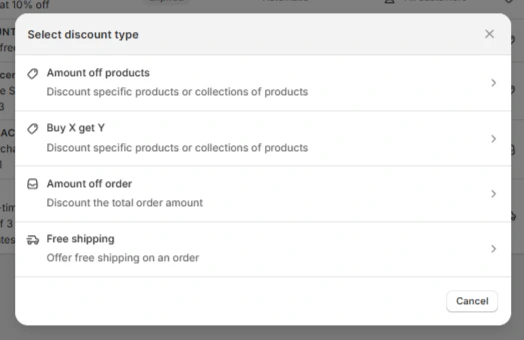
Percentage Discounts
Percentage discounts are the most common seasonal promotion.
Example: 20% Off Summer Collection
Customers understand percentage savings quickly, which makes this format easy to promote.
Fixed Amount Discounts
Fixed discounts work well for higher-value purchases.
Example: $15 Off Orders Over $100
This approach encourages customers to spend more to qualify for the offer.
Buy More, Save More Discounts
Tiered discounts increase average order value.
Example:
Spend $50, save 10%
Spend $100, save 15%
Spend $150, save 20%
Customers often add extra items to unlock larger savings.
Bundle Discounts
Bundles combine related products into one discounted package.
This strategy increases cart value while providing a stronger perceived deal.
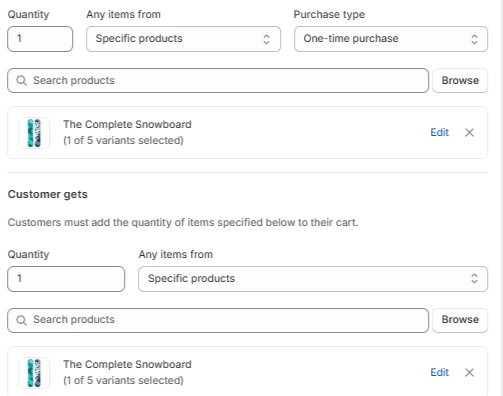
Buy One Get One Promotions
Buy One Get One offers work particularly well for consumable products, apparel, and accessories.
They encourage larger purchases without requiring large markdowns.
Category-Based Discounts
Some businesses prefer promoting specific product categories rather than the entire store.
Example: 25% Off Outdoor Furniture
This helps focus demand on selected inventory.
Storewide Seasonal Sales
Storewide discounts create strong marketing messages and simplify promotion.
However, they should be used carefully because they affect every product and can reduce overall profit margins.
Step 3 – Select Products and Collections Carefully
The products included in a seasonal discount campaign have a major impact on profitability.
Best sellers can attract customers and generate excitement around the promotion.
Seasonal inventory often benefits from discounts because demand is tied to specific times of the year.
Slow-moving stock can be included to improve inventory turnover and free warehouse space.
High-margin products usually provide more flexibility for promotional pricing.
Clearance products are ideal candidates because the goal is often to sell remaining inventory rather than maximize margins.
Instead of discounting everything, focus on products that support the campaign objective.
Step 4 – Set Discount Timing and Duration
Timing can determine whether a seasonal promotion succeeds or fails.
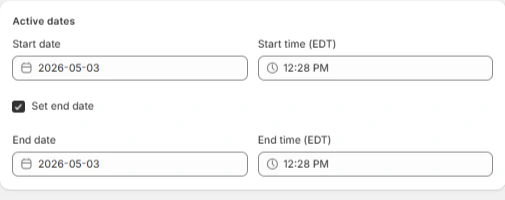
When to Launch Seasonal Discounts
Many businesses wait too long before launching promotions.
A better strategy is to start one to two weeks before peak demand arrives. This allows businesses to capture early shoppers before competitors become more aggressive.
Early-access sales can create exclusivity and reward loyal customers.
Holiday countdown campaigns build anticipation while creating urgency as the promotion approaches its end date.
How Long Should Seasonal Discounts Last?
The ideal duration depends on the campaign type.
Campaign Type |
Recommended Duration |
Flash Sale |
24–72 Hours |
Holiday Sale |
5–14 Days |
End-of-Season Sale |
2–4 Weeks |
Clearance Event |
Until Inventory Sells |
Short campaigns create urgency. Longer campaigns work better when inventory reduction is the primary objective.
The key is balancing urgency with enough time for customers to discover and act on the offer.
Step 5 – Schedule Discount Pricing in Advance
Many seasonal sales fail because of operational mistakes rather than poor offers. A discount campaign may be planned perfectly, but errors during implementation can reduce revenue and create a poor customer experience.
Manual price management becomes difficult as product catalogs grow. Updating dozens or hundreds of products individually takes time and increases the chance of mistakes.
Common problems merchants face include:
Manual price changes across large catalogs.
Human errors when updating prices.
Forgetting to revert products after the sale ends.
Missing promotion launch times.
Managing multiple collections during the same campaign.
These issues become even more challenging during Black Friday, Christmas, and other peak shopping periods when stores are handling increased traffic and order volume.
Scheduling discounts in advance helps eliminate these risks. Instead of making changes manually on the launch day, merchants can prepare promotions ahead of time and allow the system to activate them automatically.
Schedule Seasonal Discounts Automatically
Automation provides consistency and reduces workload during busy sales periods.
This is where tools such as Revnous Bulk Price Editor become valuable. Rather than updating products one at a time, merchants can schedule promotions across collections, vendors, product types, or the entire store.
Features that help with seasonal sales include:
Bulk product price editing
Collection-based discount management.
Scheduled start dates and times.
Automatic rollback to original pricing.
Shopify-wide sale management.
For example, a merchant preparing a Black Friday campaign can schedule discounts weeks in advance. The promotion activates automatically when the sale begins and restores original pricing when the event ends.
This approach reduces manual work and helps maintain pricing accuracy across the store.
Step 6 – Promote the Seasonal Discount Across Channels
A seasonal discount cannot generate sales if customers do not know it exists.
Promotion is often the difference between an average campaign and a highly successful one. Businesses should communicate offers across multiple channels rather than relying on a single source of traffic.
Customers interact with brands in different ways. Some respond to email campaigns, while others discover promotions through social media or search advertising.
A multi-channel strategy increases visibility and helps reach customers throughout the buying journey.
Email Marketing
Email remains one of the highest-converting marketing channels for seasonal promotions.
Subscribers already know the brand, which means they are often more likely to purchase than new visitors.
Effective seasonal emails typically include:
Clear discount details
Promotion deadlines
Featured products
Strong calls to action
Many businesses send multiple emails throughout a campaign rather than a single announcement.
Examples include:
Early access invitations
Sale launch emails
Mid-campaign reminders
Last-chance notifications
This approach keeps the promotion visible without relying on a single message.
Website Announcement Bars
Announcement bars ensure every visitor sees the promotion immediately.
A simple message such as:
"Holiday Sale: 25% Off Ends Sunday"
can significantly improve awareness across the site.
Announcement bars work particularly well when paired with countdown timers because they reinforce urgency.
SMS Campaigns
SMS messages often achieve higher open rates than email.
Because text messages are immediate, they work well for:
Flash sales
Last-day reminders
Limited-time offers
However, frequency should be controlled carefully. Too many messages can reduce engagement and increase opt-outs.
Social Media Promotions
Social media provides an opportunity to reach both existing followers and new audiences.
Seasonal campaigns perform well on platforms such as:
Instagram
Facebook
TikTok
Pinterest
Content can include:
Product showcases
Video demonstrations
Gift guides
Countdown posts
Consistent messaging across social channels helps reinforce the promotion.
Retargeting Campaigns
Many visitors leave without purchasing during their first visit.
Retargeting campaigns bring these shoppers back by reminding them about products they viewed or added to their cart.
Seasonal promotions often create urgency, which makes retargeting particularly effective.
Messages such as:
"Your holiday discount ends tonight"
can encourage shoppers to complete their purchase before the promotion expires.
Step 7 – Measure Results After the Sale Ends
A seasonal discount campaign should not end when the sale finishes.
The most successful businesses review performance data to understand what worked and what needs improvement.
This information helps improve future promotions and prevents repeating mistakes.
Revenue Generated
Revenue is usually the first metric businesses examine.
Compare campaign revenue against previous periods and similar seasonal events.
This helps determine whether the promotion achieved its primary objective.
Conversion Rate
Revenue alone does not tell the full story.
A campaign may generate strong sales simply because traffic increased.
Conversion rate reveals how effectively the discount encouraged visitors to purchase.
If traffic increased significantly but conversion remained low, the offer may not have been compelling enough.
Average Order Value
Average order value measures how much customers spent per transaction.
This metric is particularly important when using:
Bundles
Tiered discounts
Cart-based promotions
A higher average order value often indicates that customers purchased additional products to unlock savings.
Discount Redemption Rate
The redemption rate shows how many customers actually used the promotion.
Low redemption rates may indicate:
Poor visibility
Weak messaging
Complex discount requirements
Understanding redemption behavior helps optimize future campaigns.
Inventory Sold
Inventory movement is another important performance indicator.
If the campaign goal was to clear stock, measuring units sold provides a clearer picture than revenue alone.
Many seasonal promotions are designed specifically to reduce excess inventory before new products arrive.
Profit Margin
Profitability should always be reviewed alongside sales volume.
Large discounts can increase revenue while reducing overall profit.
Evaluating margins helps ensure the campaign delivers sustainable business results.
Tricks That Drive More Sales
Small adjustments can significantly improve seasonal campaign performance.
These tactics increase urgency, encourage larger purchases, and help maximize the value of promotional traffic.
Create Urgency With Limited-Time Offers
Customers are more likely to act when they know a promotion will end soon.
A limited-time offer reduces procrastination and encourages faster purchasing decisions.
Messages such as:
"Ends Tonight"
or
"Weekend Only Sale"
often perform better than open-ended promotions.
Use Countdown Timers During Seasonal Sales
Countdown timers provide a visual reminder that time is running out.
This technique works particularly well on:
Product pages
Collection pages
Landing pages
Announcement bars
The closer the deadline approaches, the stronger the urgency becomes.
Offer Early Access to VIP Customers
Exclusive access rewards loyal customers and makes them feel valued.
Early-access campaigns can also generate sales before the public promotion begins.
This strategy is commonly used during:
Black Friday
Holiday sales
Product launches
VIP access often improves customer retention while creating anticipation for the wider campaign.
Combine Seasonal Discounts With Free Shipping
Free shipping remains one of the strongest purchase incentives in ecommerce.
Many customers view shipping costs as a barrier, even when product discounts are available.
Combining free shipping with seasonal discounts often increases conversion rates more effectively than increasing the discount percentage alone.
Increase Cart Value With Tiered Discounts
Tiered discounts encourage customers to spend more.
For example:
Spend $50, save 10%
Spend $100, save 15%
Spend $150, save 20%
Customers frequently add extra products to reach the next discount level.
This increases average order value while maintaining profitability.
Bundle Related Seasonal Products
Bundles simplify purchasing decisions and increase perceived value.
Instead of discounting individual items heavily, merchants can group complementary products together.
Examples include:
Holiday gift bundles
Summer outdoor kits
Back-to-school packages
Beauty collections
Bundles often generate higher order values while protecting margins better than deep markdowns.
Common Seasonal Discount Mistakes to Avoid
Seasonal discounts can fail when planning is weak or execution is rushed. Many stores lose profit or miss sales due to simple but costly mistakes.
Starting the Sale Too Late
Late launches reduce exposure during peak demand. Customers often buy early in seasonal cycles. A delayed start leads to lower traffic and weaker results.
Discounting Every Product
Storewide discounts on all items reduce perceived value and profit margins. Focus on selected products instead of applying blanket discounts.
Offering Discounts That Hurt Profit Margins
Deep discounts may increase sales but reduce overall profit. Strong campaigns balance attraction with sustainable margins.
Running Sales Without Inventory Planning
Poor stock planning leads to overselling or missed opportunities. Always match discount campaigns with available inventory levels.
Forgetting to Revert Prices After the Promotion
Failing to reset prices creates long-term pricing issues and damages customer trust.
Managing Large Seasonal Sales Manually
Manual updates increase errors and delay campaign execution. Tools like Revnous Bulk Price Editor help merchants schedule, automate, and roll back seasonal pricing without manual effort.
How to Schedule Seasonal Discounts in Shopify
Manual Discount Scheduling Challenges
Manual setup takes time and increases risk. Merchants often face:
Slow product-by-product edits.
Missed launch times.
Incorrect pricing updates.
These issues become worse during high-traffic seasons like Black Friday.
Automating Seasonal Discounts With Revnous Bulk Price Editor
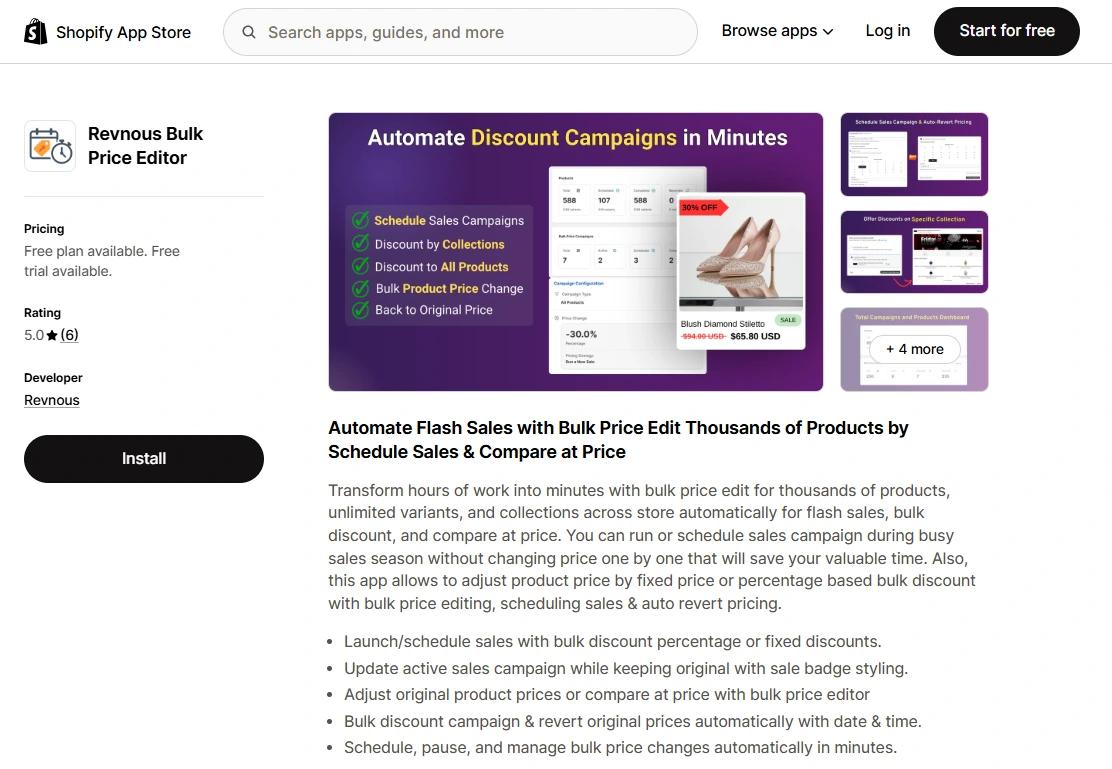
Automation solves scaling problems in Shopify discount management.
Revnous Bulk Price Editor helps merchants:
Update prices in bulk across collections.
Schedule seasonal campaigns in advance.
Apply storewide or category-based discounts.
Automatically restore original pricing after campaigns.
This makes seasonal sales faster, more accurate, and easier to manage at scale.
Let's launch your Shopify seasonal sales campaign in minutes with Revnous Bulk Price Editor, not hours.
Seasonal Discount Examples for Different Industries
Fashion Store Seasonal Discounts: Fashion brands use clearance sales, bundle offers, and seasonal collections to move inventory and increase AOV.
Beauty and Cosmetics Promotions: Beauty stores rely on gift sets, buy-one-get-one offers, and free sample bundles.
Electronics Holiday Sales: Electronics focus on limited discounts, bundles, and accessory upsells.
Home and Furniture Clearance Discounts: Furniture brands use end-of-season clearance to reduce large inventory items.
Sports and Outdoor Seasonal Campaigns: Outdoor brands align discounts with seasonal demand shifts like summer and winter gear.
Final Thoughts
Successful seasonal discounts depend on timing, product selection, and automation. A strong strategy improves revenue without unnecessary margin loss.
Manual price updates become difficult as product catalogs grow and seasonal traffic increases. Automation helps avoid errors and improves execution speed.
Using Revnous Bulk Price Editor allows merchants to schedule seasonal discounts, update prices in bulk, and automatically restore original pricing after promotions end. This creates a more reliable and scalable seasonal sales system.
Frequently Asked Questions
- What Are The Best Times To Run Seasonal Promotions To Increase Sales?
- Run seasonal promotions during Black Friday, Christmas, summer, and back-to-school periods. These times have high demand, so discounts convert better. Start 1–2 weeks before peak shopping.
- How Do I Keep Seasonal Campaigns From Feeling Repetitive?
- Change the offer type or design each season. Use bundles, free gifts, or tiered discounts instead of repeating the same style.
- How to Offer Seasonal Discounts in Retail
- Set a goal, choose a discount type, pick products, set a time period, and promote it across channels like email, social media, and store banners.
Ready to Boost Your Revenue?
Join 66,000+ brands already using Revnous to drive sustainable growth